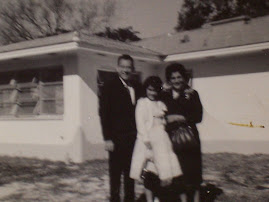
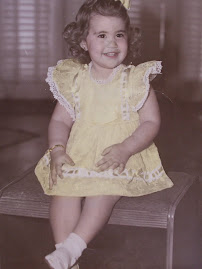
When my parents became ill, I was not prepared to be a caregiver, much less prepared for their deaths. It seemed that their health deteriorated so quickly that I didn't have time to adjust or plan or strategize. I just had to handle the situation the best way I could.
I recommend the following list of things to do for those who are facing their parents dying:
-Learn as much as possible about your parent's disease
-Appreciate every day spent with your parent
-Journal or record special moments with your parents
-Understand that your parent is not the same person who raised you
-Accept your new role in the family dynamics
-Ask for help from your family and friends
I'm not saying this list is all you have to do to prepare for your parent's death. The list is a start to assist you in beginning your journey to accepting the inevitable.
Showing posts with label dying parent. Show all posts
Showing posts with label dying parent. Show all posts
Tuesday, September 15, 2009


Sunday, September 13, 2009
What to Say and Not to Say When Someone's Parent Dies
If you find yourself in a situation when you need to say something to someone who has lost a parent, I hope the following will assist you:
Five Things to Say
• I understand that you are in pain, let me know if I can help you
• No matter how old your parent is, I know their death is difficult for you
• Even though your parent was elderly, I understand that you want him (or her) to have been here on earth for a longer time
• Even though your parent was ill, we are almost never prepared for the inevitable
• Take your time in grieving; there is no time limit to your grief
Five Things Not to Say
• He (or she) was old so you should have expected their death
• He (or she) had a good life
• His (or her) time had come
• This too shall pass
• You will get over it in a couple of months
It is important to be sensitive to the person's feelings. Our comments can be of great comfort to those who are grieving the death of their parent.
Five Things to Say
• I understand that you are in pain, let me know if I can help you
• No matter how old your parent is, I know their death is difficult for you
• Even though your parent was elderly, I understand that you want him (or her) to have been here on earth for a longer time
• Even though your parent was ill, we are almost never prepared for the inevitable
• Take your time in grieving; there is no time limit to your grief
Five Things Not to Say
• He (or she) was old so you should have expected their death
• He (or she) had a good life
• His (or her) time had come
• This too shall pass
• You will get over it in a couple of months
It is important to be sensitive to the person's feelings. Our comments can be of great comfort to those who are grieving the death of their parent.
Thursday, August 27, 2009
For those of you whose parents have passed on or are in ill health
Treasure your parents. Make time to spend with them. Listen to their concerns. Value what they have to tell you. Provide them with special things that they need-like reading them a book or newspaper. Have no regrets.
Maintain an inter-generational link. Your children should hear stories about their grandparents and great-grandparents. They should experience the food of their ancestors. You should share pictures of your parents and grandparents when they were young. You should discuss how their ancestors arrived in this country.
Record an oral history of your family members and provide it to your children.
Every day, think about a wise saying or direction your parents once gave you that made a difference in your life.
Carry a memento of your parent(s) to keep them close to your heart.
It is important for us to do the best we can while our parents are still alive and to honor them after their passing. I may feel like an orphan but then I remember there was a time when I was a part of a very special family. No one can take my memories away.
I choose to write about my memories in order to help others through the pain of losing their parents and as a result, it will ease my pain.
Maintain an inter-generational link. Your children should hear stories about their grandparents and great-grandparents. They should experience the food of their ancestors. You should share pictures of your parents and grandparents when they were young. You should discuss how their ancestors arrived in this country.
Record an oral history of your family members and provide it to your children.
Every day, think about a wise saying or direction your parents once gave you that made a difference in your life.
Carry a memento of your parent(s) to keep them close to your heart.
It is important for us to do the best we can while our parents are still alive and to honor them after their passing. I may feel like an orphan but then I remember there was a time when I was a part of a very special family. No one can take my memories away.
I choose to write about my memories in order to help others through the pain of losing their parents and as a result, it will ease my pain.
Subscribe to:
Posts (Atom)